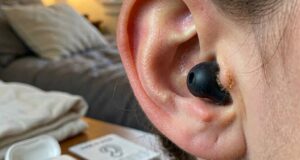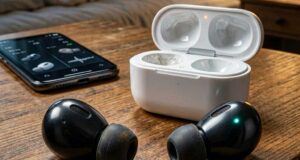
You buy a pair of premium earbuds to escape your partner’s snoring, the neighborhood traffic, or just the chaotic hum of your own thoughts. For the first week, it’s bliss. But by week three, you wake up at 3:30 AM to a piercing “Battery Low” voice prompt drilled directly into your eardrum.
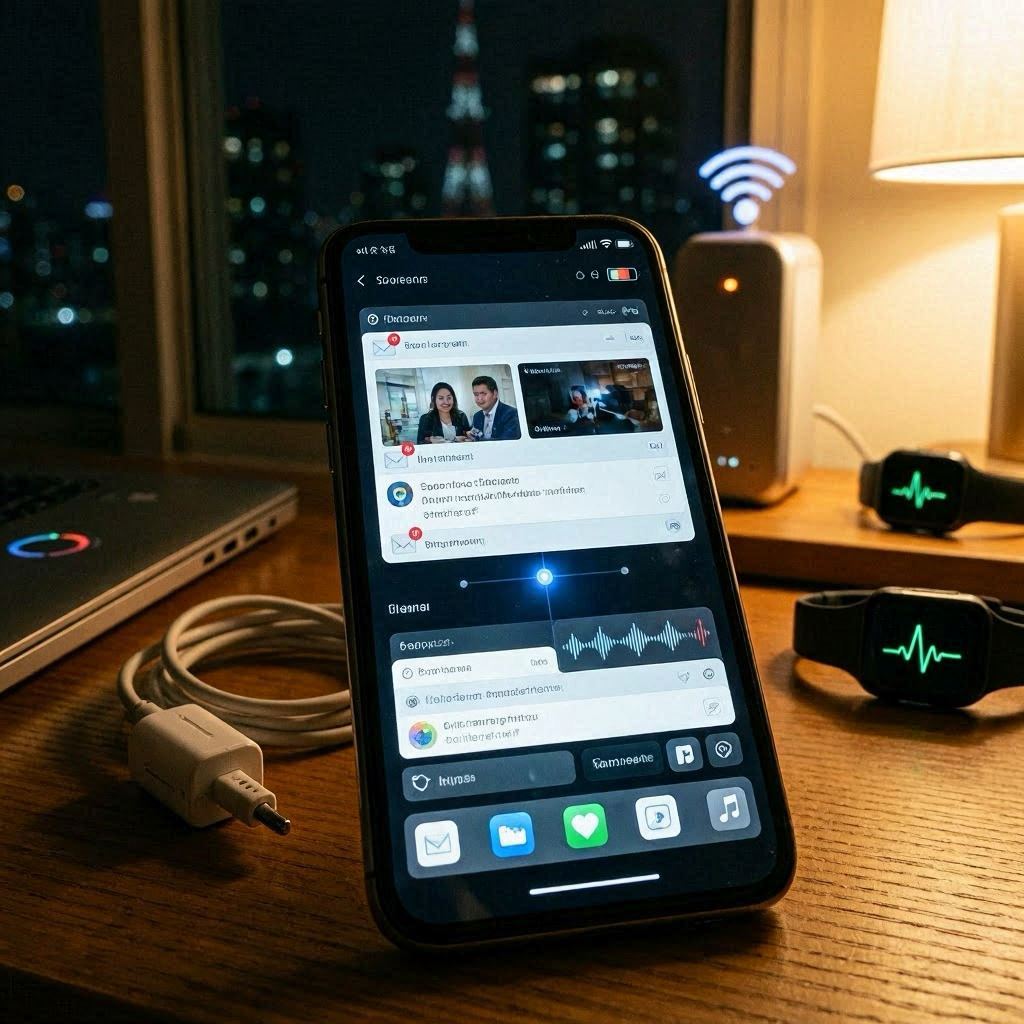
The promise of the best sleep earbud market has always been 8+ hours of continuous, uninterrupted audio. Yet, in 2026, user forums are flooded with complaints about rapid battery degradation, asymmetric draining, and sudden mid-night shutdowns.
Why is this happening to even the most expensive models, and what are the hidden tech challenges driving this epidemic? Let’s dissect the issue point by point—without the fluff.
1. The Anatomy of the 2026 Sleep Earbud Battery Crisis
To understand why your sleep buds are dying early, you have to look at the physical limitations engineering teams face today.
The Form-Factor vs. Capacity Paradox
- The Goal: A sleep earbud must be incredibly tiny, ultra-thin, and flush against the ear so side-sleepers don’t experience severe cartilage pain.
- The Reality: Micro-form factors mean micro-batteries. While a standard everyday earbud packs a 50mAh to 70mAh battery, a dedicated low-profile sleep bud often tops out at just 25mAh to 35mAh. You are dealing with half the physical fuel tank from the start.
Asymmetric Drain: The “Master-Slave” Connection
Have you noticed the right earbud often dies while the left one still has 25% juice?
- Most modern sleep buds utilize one earbud as the primary receiver that communicates directly with your phone, while the second bud mirrors the audio from the first.
- The primary bud processes twice the data, handles the Bluetooth handshake, and consequently burns through its tiny battery footprint significantly faster.
2. New Tech, New Problems: The 2026 Power Hogs
The features designed to give you a better night’s sleep are ironically the exact reasons your buds won’t last through the night.
Adaptive Snore Masking vs. Passive Isolation
Older generations relied on passive silicone seals to block noise. Today’s devices use dynamic, real-time frequency masking.
- Internal microphones constantly sample ambient room noise (like a sudden loud snore or a passing motorcycle).
- The onboard processor instantly calculates and shifts the volume of your white noise or rain sounds to mask the spike.
- This constant computational loop prevents the earbud from entering a low-power “sleep state,” processing data actively for 8 hours straight.
Local Storage vs. Bluetooth Streaming
Manufacturers tried to solve the battery issue by allowing users to download audio tracks directly onto the earbud’s local flash memory, cutting off the power-heavy Bluetooth connection. However, this introduced a new engineering challenge:
- Transmitting a high-fidelity, 1-hour ambient loop from your phone to local storage takes massive burst power.
- If the app disconnects mid-transfer or repeatedly tries to sync sleep tracking data (heart rate, tosses, turns) throughout the night, the battery drains before REM sleep even begins.
3. The Hidden Hardware Challenges (What Brands Don’t Tell You)
The wear and tear a sleep earbud undergoes is vastly different from gym or office headphones. The environment itself degrades the hardware rapidly.
Body Heat and Thermal Degradation
- Your ears act as natural radiators. When pinned between a warm pillow and your skull for 8 hours, the earbud experiences sustained thermal exposure.
- Lithium-ion chemistry degrades significantly faster when operated continuously at trapped body temperatures, leading to permanent capacity loss within just 6 months of daily use.
The Pillow-Press Factor
- Side-sleepers exert physical pressure directly onto the earbud housing.
- This pressure can slightly warp internal micro-connections, causing the internal battery management system (BMS) to misread voltage levels.
- The result? The earbud falsely assumes it is out of power and shuts down prematurely, even if actual cell capacity remains.
4. How to Maximize Your Nightly Runtime: A Checklist
If you are struggling to get your device through a full sleep cycle, tweak your setup using these direct parameters:
| Variable | High Drain Setup (Avoid) | Optimized Setup (Preferred) |
| Connection Type | Constant Bluetooth Streaming | Local App Storage / Offline Mode |
| Audio Profile | Dynamic/Adaptive Noise Masking | Fixed-Volume Pink or Brown Noise |
| Streaming Source | 3rd Party Apps (Spotify/YouTube) | Native Manufacturer Sleep App |
| Tracking Features | Real-time Heart Rate & Spo2 On | Sleep Tracking Disabled/Off |
5. Finding the Best Sleep Earbud for Long Battery Life
When auditing the market for the best sleep earbud, do not fall for the “total playback time including the charging case” marketing trap. A case that holds 40 hours of charge is useless if the individual buds only last 4 hours in your ear.
What to Look For Before Buying:
- Dedicated Sleep Mode Switches: Look for hardware that allows you to physically turn off Bluetooth via the app once your sound profile is selected.
- Balanced Audio Delivery: Opt for dual-connect architecture where both buds connect to the source independently, eliminating asymmetric battery drain.
- Low-Frequency Focus: Choose sounds like brown noise or heavy rain. High-frequency sounds or dynamic music require more speaker driver movement, consuming more milliwatts per hour.
The sleep tech industry is in a transitional phase. Until solid-state batteries replace traditional lithium-ion micro-cells, managing power consumption is a compromise between comfort, feature sets, and physical size. If your primary goal is finding the best sleep earbud that actually survives until your morning alarm, prioritize passive noise isolation over heavy software processing, turn off non-essential biometric tracking, and rely on locally cached audio loops.