You drop a premium chunk of change on an ultra-slim audio setup to block out the world. You wash your sheets, clean your pillowcases, and run an immaculate nighttime routine. Yet, a few months into using what you considered the best sleep earbud setup, you wake up to a dull ache deep inside your skull. By noon, your ear canal feels hot, swollen, itchy, and intensely painful to the touch.
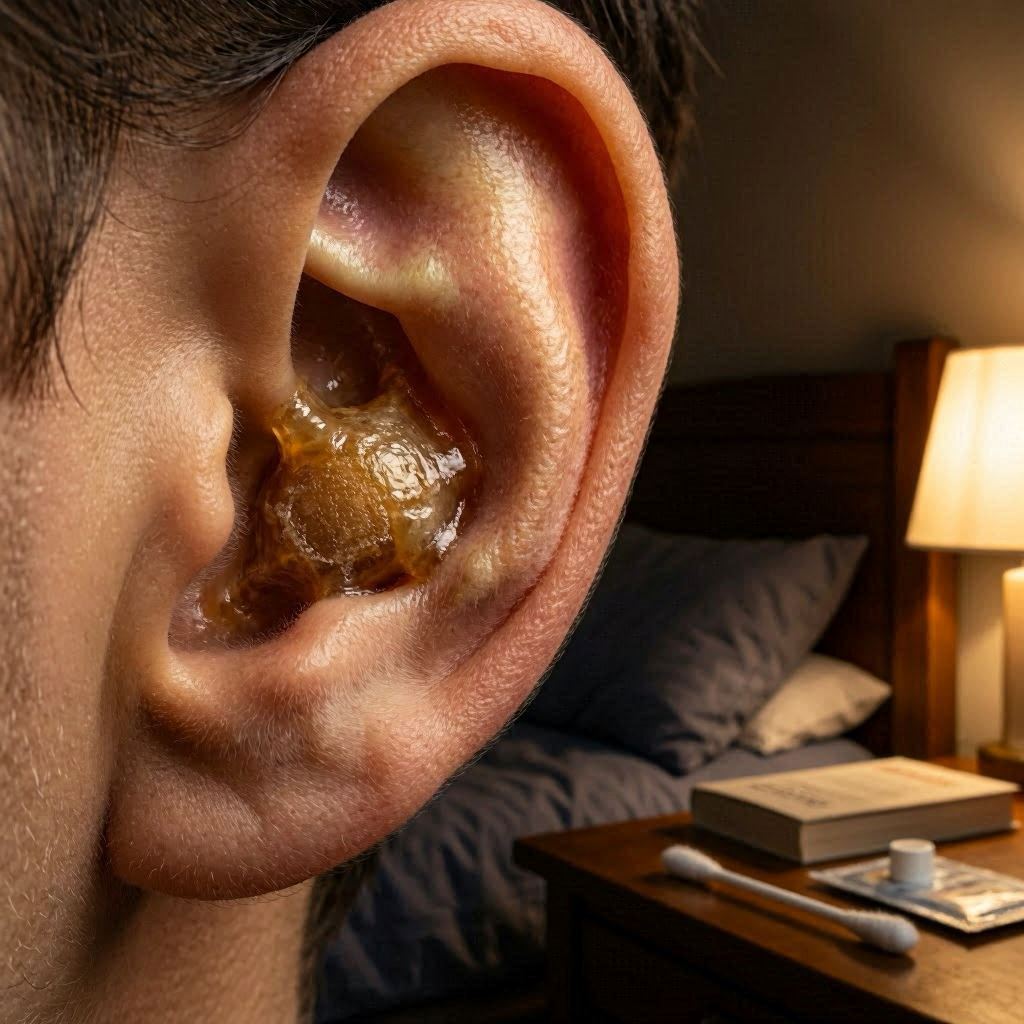
Welcome to the hidden underside of the sleep tech boom: the dramatic rise of Otitis Externa (commonly known as Swimmer’s Ear) among people who never even stepped near a pool.
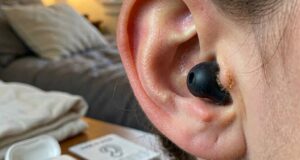
When searching for a nighttime wearable, consumer attention is hyper-focused on physical dimensions, decibel-masking algorithms, and side-sleeper flexibility. But plugging an anatomical canal for 8 hours straight creates a profound biological shift.
The relationship between nightly noise isolation and bacterial proliferation is direct, aggressive, and filled with overlooked engineering challenges. Here is a point-to-point autopsy of how sleep earbuds cause ear infections, and why current wearable designs are struggling to mitigate the risk.
1. The Incubation Chamber: The 8-Hour “Greenhouse Effect”
Your ear canal is naturally dark, warm, and highly vascularized. Under normal conditions, constant airflow keeps this internal skin dry and perfectly balanced.
- The Airflow Cutoff: The moment you wedge a silicone or foam tip into your ear to seal out ambient noise, you stop all natural ventilation.
- The Moisture Trap: Your body continuously releases microscopic amounts of sweat and moisture through the skin of the canal. With an airtight seal in place for 8 straight hours, this moisture has nowhere to evaporate. It condenses inside the canal, creating an ultra-humid microclimate.
- The Bacterial Boom: Pathogens like Pseudomonas aeruginosa and Staphylococcus aureus thrive in dark, humid, oxygen-deprived zones. By wearing a sleep bud through every sleep cycle, you turn your ear into a literal Petri dish, allowing baseline bacterial colonies to multiply exponentially overnight.
2. Micro-Abrasions: The Invisible Entry Points
Bacteria alone don’t always cause a full-blown infection; they require a gateway into the deeper layers of your dermal tissue. Your sleeping habits inadvertently provide that gateway.
Pillow Pressure (Side-Sleeping) ──► Earbud Housing Twists/Shifts
                                         │
                                         ▼
Micro-Friction against Canal Wall ──► Microscopic Tears in Delicate Skin
                                         │
                                         ▼
Trapped Humid Fluid + Pathogens ────► Direct Entry into Tissue ──► Swelling & Infection
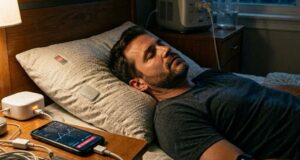
- The Nightly Grind: No matter how still you think you sleep, your head shifts positions multiple times a night. When your ear is pressed flat against a pillow, the earbud housing experiences continuous, micro-level friction against the delicate 0.1mm-thick skin lining your ear canal.
- The Invisible Skin Tears: This mechanical rubbing creates microscopic abrasions—tiny tears in the skin that you can’t feel.
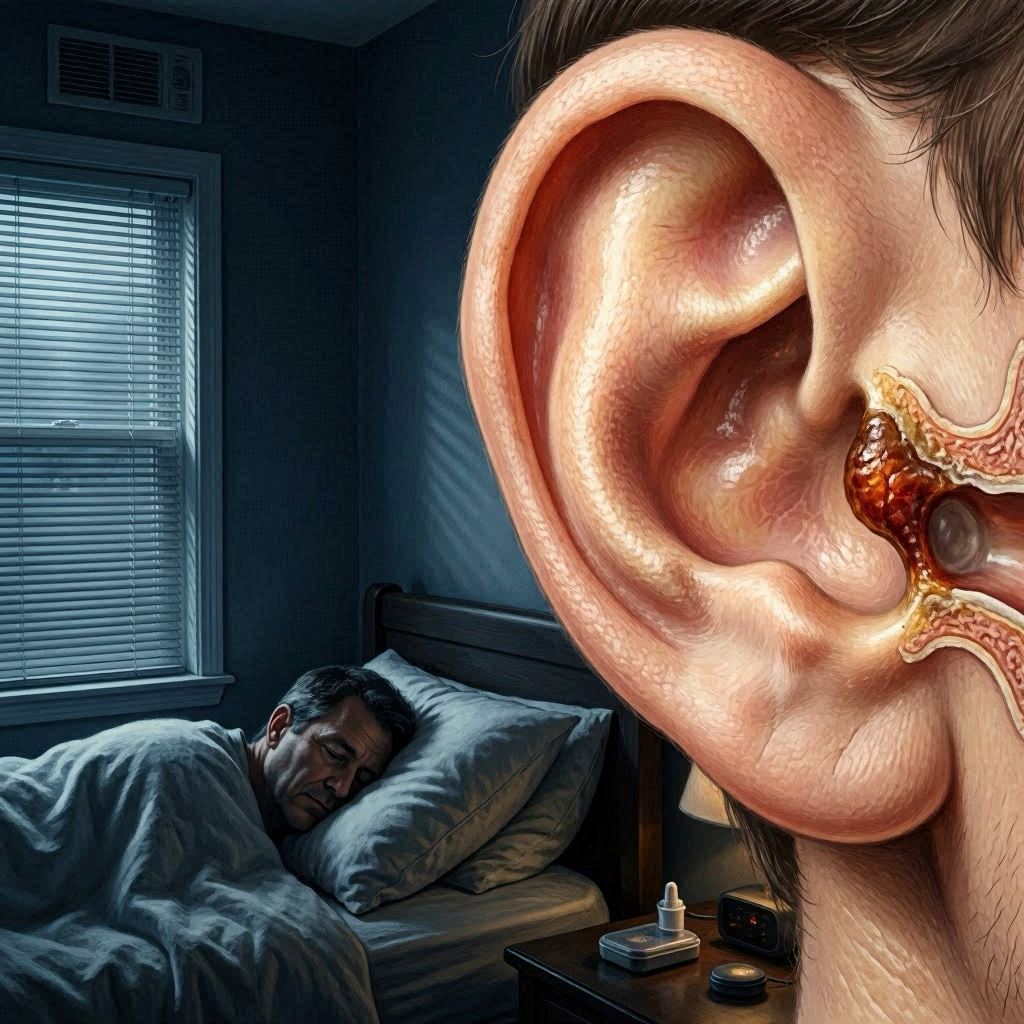
- The Ingress Vector: The warm, bacteria-laden fluid trapped behind the earbud tip immediately floods these open micro-tears. Once the protective skin barrier is breached, the immune system triggers a massive inflammatory response, resulting in severe swelling and throbbing pain.
3. The Case Contamination Loop (The 2026 Hygiene Flaw)
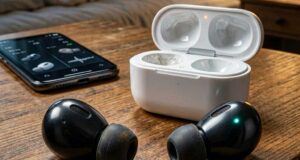
One of the most persistent tech design challenges in 2026 is that sleep earbud cases are engineered for portability and fast-charging, not sterilization.
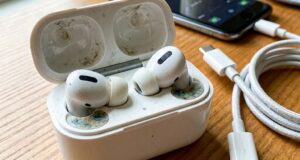
- The Dark Vault: When you pull the earbuds out of your head in the morning, they are coated in micro-fluids, skin cells, oils, and bacteria. Most users drop them directly into the charging case and close the lid.
- The Re-Inoculation Loop: The dark, enclosed interior of a plastic charging case acts as an ideal incubator. The minor heat generated by the fast-charging battery case actually accelerates bacterial growth on the silicone tips during the day.
- When you put the buds back into your ears the following night, you aren’t just trapping existing bacteria—you are actively injecting a freshly cultivated colony of pathogens directly into your skull.
4. The Material Degradation Variable
The physical components of even the most premium audio setups break down under constant exposure to human biochemistry.
- Porous Silicone Secrets: While high-quality silicone looks smooth to the naked eye, constant exposure to body heat, ear oils, and nighttime sweat causes the material to develop microscopic pits and fissures over a 3-to-6-month period.
- The Biofilm Shield: Bacteria settle deep into these microscopic material pits, forming a structural matrix called a biofilm. Once a biofilm forms on an earbud tip, standard wiping or light cleaning cannot remove it. Every subsequent use acts as an active infection trigger.
5. Infection Prevention Protocols for Heavy Users
If you depend heavily on audio masking to sleep through environmental noise, you must change how you manage your hardware. Use these direct operational parameters:
| Variable / Habit | High Infection Setup (Avoid) | Sterile Optimization (Preferred) |
|---|---|---|
| Insertion Timing | Right after a late-night hot shower | Waiting 30 minutes for canals to dry completely |
| Runtime Management | Infinite loop playback all night long | 60-to-90-minute sleep timers (allows 6 hours of ventilation) |
| Sanitization Routine | Wiping with a dry tissue occasionally | Daily wipe-down with 70% isopropyl alcohol wipes |
| Tip Replacement | Using the same sleeves for a full year | Swapping out silicone/foam tips every 90 days |
6. How to Select a Safety-First Sleep Earbud
If you are prone to ear irritation or recurring canal infections, your criteria for selecting the best sleep earbud must prioritize health mechanics over raw noise cancellation numbers.
- Integrated Pressure-Relief and Air Vents: Look for emerging 2026 designs that feature micro-perforated acoustic tunnels. These vents allow minimal cross-ventilation to escape the canal, reducing humidity build-up without letting high-frequency room noises leak in.
- Medical-Grade Liquid Silicone Rubber (LSR): Ensure your chosen device uses non-porous, hypoallergenic LSR or silver-ion infused antimicrobial tips that naturally inhibit cellular growth on the surface of the hardware.
- Semi-Open Form Factors: If infections are a constant hurdle, ditch the deep-insertion monitors completely. Move toward flat-profile earbuds that sit loosely in the outer bowl of the ear (the concha). They don’t provide absolute silence, but they give your biological architecture the breathing room it requires to stay healthy.
A premium audio device is useless if it leaves you dealing with a throbbing ear infection and a mandatory course of steroid antibiotic drops. A nightly ear infection isn’t a symptom of poor bodily hygiene; it’s a structural consequence of turning a self-ventilating ear canal into a trapped, high-humidity greenhouse. To enjoy long-term, problem-free use, prioritize devices with aggressive sleep timers, keep your charging docks as sterile as your medical cabinet, and never compromise on dry, moisture-free insertion before bed.