Finding the best sleep ear bud for side sleepers can be surprisingly difficult. Earbuds that feel perfectly comfortable while sitting or walking may become irritating after a few minutes when you lie on your side. Pressure from the pillow can push the earbuds deeper into the ear, causing discomfort and sometimes making it difficult to fall asleep.
Sleep earbuds are designed differently from regular wireless earbuds. They are usually smaller, lighter and shaped to reduce pressure while lying down. Some are made specifically for sleeping and focus on comfort rather than powerful bass or advanced music features.
If you regularly sleep on your side, choosing the right pair requires more than simply looking at sound quality. Size, shape, battery life, wireless performance and comfort all deserve attention.
Why Regular Earbuds Can Be Uncomfortable for Side Sleepers
Standard wireless earbuds are generally designed for listening while sitting, walking or exercising. Many have housings that extend slightly outside the ear.
When a side sleeper places their head on a pillow, that extra material can be pressed against the ear. The result can be soreness, pressure or the feeling that the earbud is being pushed out of position.
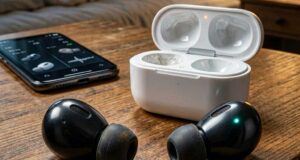
Some earbuds also have long stems or large charging components. While these designs may work well for everyday listening, they are not always suitable for sleeping.
This is why the best sleep ear bud for a side sleeper is usually one with a low-profile design that stays close to the ear.
What Makes a Good Sleep Earbud?
Comfort should be the first consideration.
A sleep earbud needs to remain comfortable for several hours, not just for a short listening session. A lightweight design can help reduce pressure on the ear.
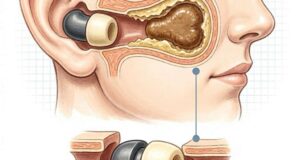
The shape is equally important. Ideally, the earbud should sit securely without creating a noticeable bump that presses against the pillow.
Soft materials can also make a difference. Some sleep earbuds come with soft silicone tips or flexible components designed to make prolonged use more comfortable.
Look for a Low-Profile Design
For side sleepers, a low-profile earbud is often more practical than a traditional wireless earbud.
The less the earbud sticks out, the less likely it is to come into contact with the pillow.
Before buying, check product dimensions and photographs carefully. A device may look small in advertising images but still have a relatively large outer housing.
Reviews from other side sleepers can also provide useful information because comfort can be difficult to judge from specifications alone.
Comfort Is More Important Than Maximum Sound Quality
People shopping for everyday earbuds often focus on bass response, microphone quality and maximum volume. These features may be less important for sleep.
For sleeping, clear spoken audio, relaxing music, white noise and other low-volume sounds may be more useful.
The best sleep ear bud does not necessarily need powerful audio. Instead, it should produce pleasant sound without requiring high volume.
Keeping the volume at a comfortable level is also important for protecting hearing during extended listening.
Noise Masking and Noise Cancellation
Noise control can be useful for people who are easily disturbed by outside sounds.
Some sleep earbuds use passive noise isolation, while others include active noise cancellation. Active noise cancellation uses microphones and electronic processing to reduce certain external sounds.
However, noise cancellation is not always necessary for sleeping. A smaller and more comfortable earbud with simple sound masking may be preferable to a larger model with advanced noise-cancellation hardware.
Consider the type of noise you are trying to block. Traffic, conversations, household sounds and a partner’s snoring may require different approaches.
Battery Life Matters at Night
Battery life becomes particularly important when earbuds are used throughout the night.
A pair that lasts only a few hours may stop playing before morning. This can be frustrating if you depend on audio to stay asleep.
Look for a battery capacity that matches your typical sleep duration. Also consider the charging case and how quickly the earbuds can be recharged.
Some sleep-focused earbuds are designed specifically for overnight use and may offer longer playback than conventional models.
Wireless Connection
A stable connection is another feature worth considering.
A Bluetooth connection that frequently drops can interrupt sleep. This is especially annoying when the phone is placed on a bedside table and the user is trying not to move.
Check whether the earbuds are compatible with your smartphone and whether other users report connection problems.
For people who listen to downloaded audio, offline playback can also be useful because it reduces dependence on a constant internet connection.
Should Sleep Earbuds Have a Microphone?
A microphone is not essential for everyone.
If the earbuds will only be used for music, podcasts or sleep sounds, microphone quality may not matter much.
However, people who also want to use the earbuds during the day for phone calls may prefer a model with a built-in microphone.
Remember that adding more features can sometimes increase the size and complexity of a device. For dedicated sleep use, simplicity can be an advantage.
Earbud Fit for Different Ear Shapes
There is no universal earbud shape that works perfectly for everyone.
People have different ear canal sizes and ear shapes. An earbud that stays securely in one person’s ear may feel loose or uncomfortable for someone else.
Replaceable ear tips can help improve the fit. If a product includes multiple sizes, try different options to find a comfortable seal without making the earbud feel too tight.
For side sleepers, a secure fit is useful because constant movement during sleep can otherwise cause the earbud to shift.
Wired or Wireless Sleep Earbuds?
Wireless earbuds are generally more convenient for sleeping because there is no cable running from the ears to a phone.
A cable can become tangled during sleep and may pull on the earbuds when the user turns over.
However, wired models can still appeal to people who prefer not to worry about battery life or Bluetooth connections.
For most people, though, compact wireless sleep earbuds are easier to use overnight.
Tips for Side Sleepers Using Earbuds
Even the best sleep earbuds can become uncomfortable if they are not positioned correctly.
Try placing the earbud securely but gently in the ear before lying down. Once you are on your side, pay attention to whether the pillow is pressing directly against the earbud.
A softer pillow or a pillow designed with an ear opening may also reduce pressure.
Avoid wearing earbuds so tightly that they cause pain or irritation. If your ears become sore, give them a break rather than trying to push through the discomfort.
It is also a good idea to keep the earbuds clean. Earwax and moisture can accumulate on earbuds over time, particularly when they are worn for several hours.
Are Sleep Earbuds Safe to Wear All Night?
Sleep earbuds can be comfortable for many people, but wearing anything in the ear for extended periods can cause irritation for some users.
Keep the volume at a safe and comfortable level. Excessive volume over long periods can contribute to hearing problems.
Users should also pay attention to discomfort, pressure or irritation. If an ear becomes painful, swollen or persistently irritated, stop using the earbuds and consider getting professional advice.
Another practical consideration is awareness. People who need to hear alarms, children, emergency alerts or other important sounds during the night should consider whether noise-isolating earbuds are appropriate for their situation.
How to Choose the Best Sleep Ear Bud
Before purchasing, consider these factors:
- Very small and lightweight design
- Low-profile housing
- Comfortable ear tips
- Secure fit
- Sufficient overnight battery life
- Reliable wireless connection
- Suitable sound quality
- Easy charging
- Simple controls
- Good user feedback from side sleepers
The most expensive product is not automatically the best choice. A simple pair that fits comfortably may be much more useful than a feature-packed model that creates pressure against the pillow.
Choosing the best sleep ear bud for side sleepers is primarily about comfort. Traditional earbuds may be excellent for travel, exercise and everyday listening but can become uncomfortable when pressed against a pillow for several hours.
A low-profile design, lightweight construction, comfortable ear tips and dependable battery life are some of the most useful features to look for. Sound quality still matters, but it does not necessarily need to match the performance of premium music-focused earbuds.
Take time to consider your sleeping position, ear shape and typical listening habits before making a purchase. Reading experiences from other side sleepers can also help you avoid a product that looks good on paper but becomes uncomfortable overnight.
With the right fit and reasonable volume levels, sleep earbuds can be a convenient way to listen to relaxing sounds, podcasts or white noise without disturbing someone sleeping nearby.