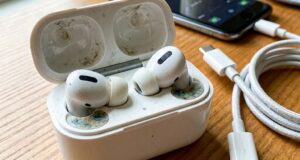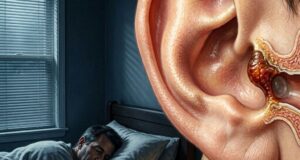
When scouting the market for the best sleep earbud, your checklist is predictable: ultra-thin housing for side-sleeping, an exhaustive library of ambient rain sounds, and an 8-hour battery loop. You buy them, slide them into your ears, and enjoy weeks of uninterrupted sleep.
Then, you wake up one morning with a muffled left ear, a faint ringing sound (tinnitus), and a stubborn feeling of internal pressure.
You don’t have a defective speaker driver; you have an earwax impaction.
While conventional earbuds are worn for an hour at the gym or during a Zoom call, a sleep earbud plugs your canal for a solid third of the day. This prolonged physical seal creates a highly specific, hidden physiological crisis. Here is a point-to-point breakdown of how nightly audio devices disrupt your ear’s natural biology—and the unique challenges it introduces for long-term users.
1. The Traffic Jam: Halting the Ear’s Natural Conveyor Belt
To understand why sleep buds cause rapid wax buildup, you have to realize that your ears are engineered to be self-cleaning miracles.
- The Migration Mechanism: Your ear canal doesn’t shed dead skin cells straight up. Instead, skin cells and cerumen (earwax) act like a microscopic conveyor belt, naturally migrating outward from the eardrum toward the outer ear opening, where the wax dries up and flakes away unnoticed.
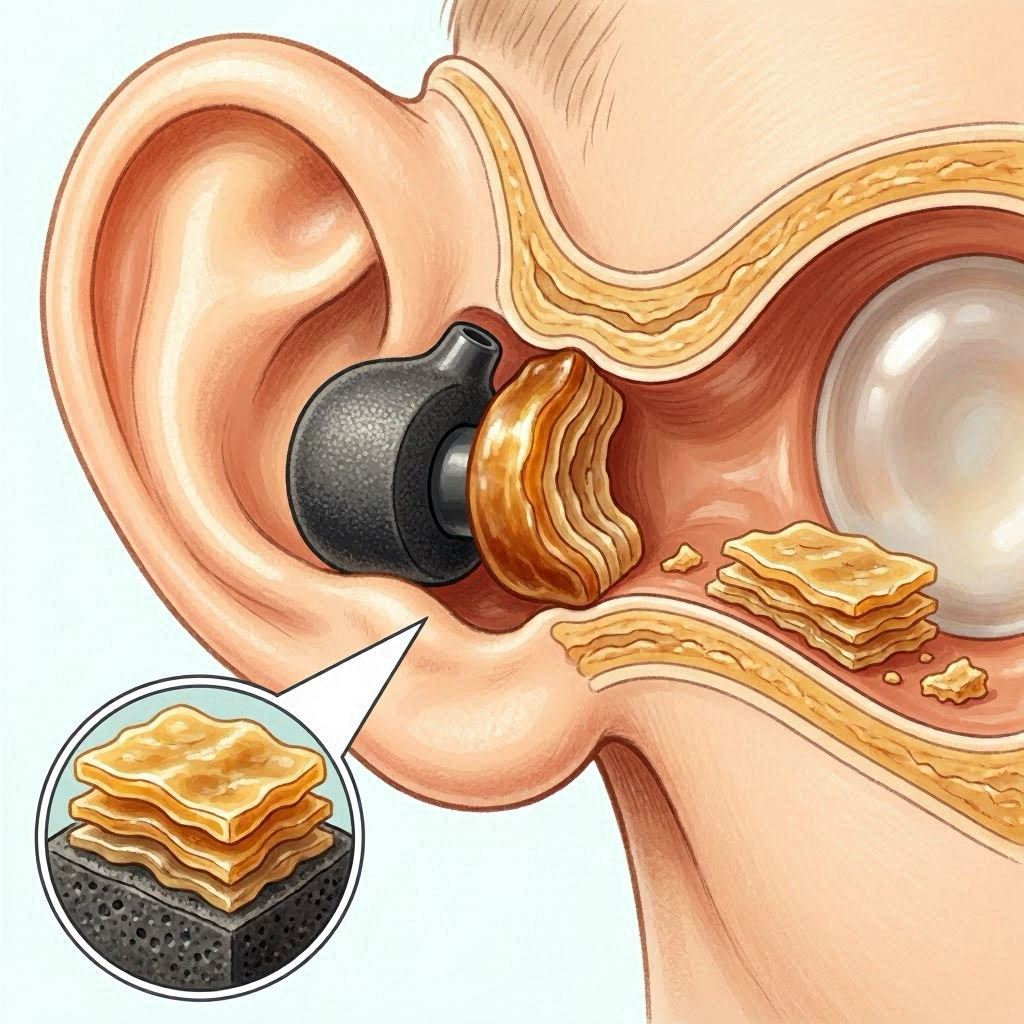
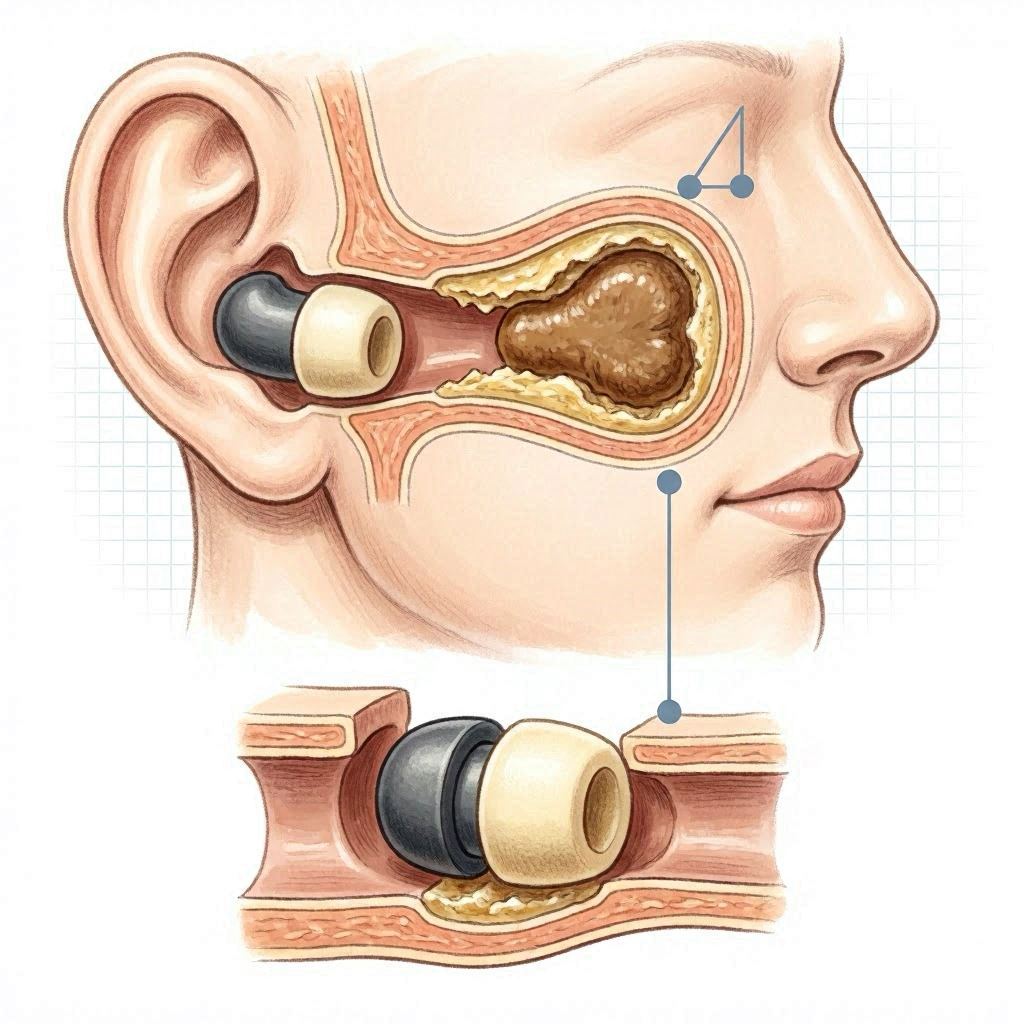
- The Nightly Blockade: When you insert even the best sleep earbud with a tight silicone or memory foam tip, you are dropping a physical barrier right in the middle of this highway.
- The Piston Effect: Every night you push the earbud into your canal, you act like a piston packing loose dirt down a pipe. Instead of migrating outward, the wax is forced backward, accumulating and compacting directly against your delicate eardrum.
2. The Micro-Climate Trap: Humidity, Heat, and Sticky Wax
Leaving an airtight plastic or silicone seal inside your head for 8 hours completely alters the internal environment of your ear canal.
Ear Canal Sealed for 8 Hours
       │
       ├──► Zero Airflow ──► Trapped Transpiration & Body Heat
       │
       └──► Humidity Spikes (The "Greenhouse Effect")
               │
               └──► Soft Cerumen becomes hyper-sticky & fluid
                       │
                       └──► Cools down upon morning removal ──► Hardens into an impenetrable wall
- The Greenhouse Effect: Your ear canal constantly perspires and radiates body heat. Sealing it with an earbud cuts off all airflow, causing internal humidity and temperature to skyrocket.
- Chemical Alteration: This warm, damp environment liquefies your natural wax, making it incredibly sticky. The wax clings to the canal walls and glues itself to any dead skin cells.
- The Morning Hardening: When you pull the bud out in the morning, cold room air hits the canal, causing this hyper-sticky mass to instantly cool and solidify into a dense, hardened plug that home remedies struggle to dissolve.
3. The Rebound Effect: Hyper-Production of Cerumen
Your body views a sleep earbud as an invasive, threatening foreign object. When you plug your ears nightly, you trigger a subconscious defense mechanism.
- Mechanical Stimulation: The physical friction of an earbud tip rubbing against the outer third of your ear canal stimulates the apocrine glands (the glands responsible for producing wax).
- The Protection Reflex: The brain assumes the constant pressure and friction mean the ear canal is under attack from dust or insects. In response, it signals the glands to go into overdrive, producing twice as much cerumen as your body actually needs.
- The Vicious Cycle: More wax is produced to fight the earbud, which you then push back deeper into the canal the following night.
4. The Bacterial Ingress Vector (Infection Risks)
The physical accumulation of wax doesn’t just block sound; it acts as a literal breeding ground for external ear infections (Otitis Externa).
- The Organic Sponge: Earwax is highly lipophilic—it easily traps moisture, dust, and microscopic fungal spores. When your earbud traps sweat inside your ear canal after a hot night or a late-night shower, the compacted wax absorbs that water like a sponge.
- The Perfect Incubator: Dark, warm, moist, and nutrient-rich (thanks to skin cells and wax proteins), this environment allows bacteria to multiply rapidly.
- The Micro-Tear Entryway: If you twist a sleep earbud roughly to seat it properly under your pillow, you create microscopic abrasions in the skin lining. The bacteria trapped in the compacted wax slip into these micro-tears, leaving you with a painful, throbbing ear canal by midday.
5. Mitigation Parameters: How to Protect Your Hearing Architecture
You don’t have to give up white noise completely to save your ears. Adjust your sleep tech habits using these direct parameters:
| Variable | High Risk Setup (Avoid) | Ear-Safe Optimization (Preferred) |
| Tip Material | Sticky, Flanged Silicone Tips | Breathable Open-Cell Foam or Semi-Open Fits |
| Usage Duration | Continuous 8-Hour Loop | Sleep Timer (Auto-Shutoff after 60-90 Mins) |
| Morning Routine | Dropping Buds Straight into Case | Wiping Tips with Isopropyl Alcohol Daily |
| Post-Shower Use | Inserting Buds with Damp Ear Canals | Ensuring Ears are 100% Dry Before Wear |
6. Sourcing the Best Sleep Earbud for Wax Prevention
If you are prone to heavy wax production but absolutely require audio to sleep through environmental noise, your buying criteria must shift away from standard deep-insertion monitors.
- Semi-Open and Flat Drivers: Look for sleep buds that rest gently in the concha (the outer bowl of the ear) rather than wedging deeply into the acoustic canal. They don’t block out quite as much noise passively, but they allow the canal to breathe and preserve the outward migration of wax.
- Pressure-Relief Vents: Premium 2026 sleep headphones are beginning to integrate micro-acoustic vents. These tiny tunnels allow air to circulate and moisture to escape without letting outside noises leak in.
- Hypoallergenic, Non-Porous Coatings: Avoid cheap, generic silicone sleeves that easily collect skin oils. Opt for medical-grade, oleophobic tips that prevent earwax from anchoring to the device itself.
The best sleep earbud is useless if it leaves you with a temporary hearing deficit and a mandatory trip to an ENT clinic for a professional microsuction clearing. Earwax buildup isn’t a flaw in the earbud’s speaker hardware—it’s a direct consequence of altering your ear’s natural ventilation and self-cleaning cycles. By switching to a semi-open form factor, running strict auto-off sleep timers so your ears can breathe for the remaining 6 hours of the night, and never inserting hardware into a damp ear, you can keep your hearing crisp and your sleep cycle deep.