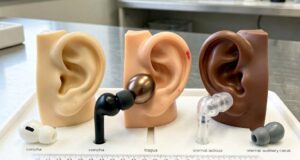
Finding the best sleep ear bud is not the same as choosing a pair of wireless earbuds for music, workouts, or commuting. When earbuds are going to be worn in bed, comfort becomes much more important. A pair that sounds excellent during the day can become irritating after several hours, especially for people who sleep on their side.
Sleep earbuds are generally designed with smaller housings, softer materials, and lower-profile shapes. Some focus on passive noise isolation, while others add active noise cancellation, sleep sounds, white noise, or other bedtime features. Current sleep-earbud guides commonly emphasize low-profile designs, overnight battery life, and comfort as the features that matter most.
If you are looking for the best wireless earbuds for sleeping, it is worth looking beyond sound quality and paying attention to how the earbuds behave after several hours of use.
Why Use Wireless Earbuds for Sleeping?
There are many reasons people listen to audio at bedtime. Some enjoy quiet music or podcasts, while others use white noise, rain sounds, nature recordings, or other relaxing audio.
Wireless earbuds eliminate the cable that can become tangled during the night. They also allow one person to listen privately without disturbing a partner.
For people living in noisy neighborhoods or sharing a bedroom with someone who snores, sleep earbuds can also provide a way to mask unwanted sounds. Purpose-built models are increasingly designed specifically for these situations.
Comfort Should Be the First Priority
The most important feature of the best sleep ear bud is comfort.
When you sleep, an earbud can remain in your ear for many hours. Even a small amount of pressure that seems insignificant for 20 minutes can become annoying after several hours.
Side sleepers have an especially difficult time because the pillow can press directly against the earbud. A large outer housing may cause pressure and make it difficult to stay comfortable.
This is why sleep-specific earbuds generally have a low-profile shape. Current reviews of dedicated sleep earbuds highlight compact designs intended to reduce pressure when the wearer lies on their side.
Low-Profile Design Makes a Big Difference
Regular wireless earbuds often have housings designed for everyday listening rather than sleeping. Some extend noticeably from the ear, making them less suitable for lying on a pillow.
When shopping for wireless earbuds for sleeping, look for a design that sits close to the ear.
A small housing can reduce the chance of the pillow pushing against the earbud. It can also help prevent the earbud from shifting when you turn during the night.
This is one reason purpose-built sleep earbuds can be more comfortable than standard premium wireless earbuds.
Battery Life for Overnight Listening
Battery life is another important factor.
Nobody wants their earbuds to stop working halfway through the night. If you listen to audio while falling asleep and want it to continue for several hours, the earbuds need enough battery capacity for your normal sleep routine.
Current sleep-earbud recommendations often suggest looking for enough battery life to cover a full night’s use, with additional capacity being useful for people who take longer to fall asleep.
Some dedicated models can provide close to a full night’s playback. For example, current testing of the Ozlo Sleepbuds reports up to about 9.5 hours of battery life, while other sleep-focused products have different endurance figures depending on their settings.
Always check real-world battery performance rather than relying only on the manufacturer’s maximum figure.
Noise Cancellation or Noise Masking?
Noise control can make wireless earbuds much more useful at bedtime.
Active noise cancellation, or ANC, uses microphones and electronic processing to reduce external sounds. This can be useful for traffic, air-conditioning noise, or a noisy bedroom.
Some sleep earbuds take a different approach by playing masking sounds. Instead of trying to remove every outside noise, they create a consistent sound that makes sudden noises less noticeable.
The right choice depends on your environment.
Dedicated sleep earbuds such as the Soundcore Sleep A30 are designed with sleep-focused noise control and snore-masking features, while other models concentrate more heavily on passive isolation and comfort.
Sound Quality Still Matters
Although comfort should come first, sound quality should not be ignored.
For sleep, you probably do not need the same level of powerful bass or detailed sound reproduction that you might want from everyday music earbuds.
Clear and balanced audio is generally more useful for podcasts, audiobooks, relaxing music, white noise, and nature sounds.
The ability to adjust the volume easily is also helpful. Avoid turning the volume up simply to overpower outside noise.
Fit and Ear Tip Options
Everyone’s ears are different, so one pair of earbuds may fit one person perfectly and another person poorly.
The best sleep earbuds often include multiple ear-tip sizes. Trying different sizes can help you find a secure fit without excessive pressure.
A loose earbud can fall out when you turn over. A tip that is too large can create pressure inside the ear.
Some sleep-specific earbuds also use small stabilizing wings to keep them in place. This can be particularly helpful for people who move around during sleep. Reviews of current sleep models note that flexible wings and multiple tip sizes can improve stability for side sleepers.
Wireless Connection Should Be Reliable
A Bluetooth connection that repeatedly drops can ruin the whole purpose of sleep earbuds.
Look for a model that maintains a stable connection with your phone and does not require constant reconnection.
It can also be useful to download sleep sounds or other audio in advance. That way, you do not have to depend on a continuous internet connection throughout the night.
Some dedicated sleep earbuds can also store or play sleep sounds without requiring the same type of constant streaming used by ordinary wireless earbuds.
Should You Buy Regular Earbuds or Sleep-Specific Earbuds?
This depends on how you plan to use them.
If you want one pair for music, calls, travel, exercise, and occasional sleeping, regular wireless earbuds may be sufficient if they have a compact and comfortable design.
However, people who sleep with earbuds every night may benefit from a model designed specifically for nighttime use.
Sleep-focused earbuds tend to prioritize low-profile construction and long-lasting comfort rather than trying to provide every feature found in premium everyday earbuds.
That difference can be significant for side sleepers.
What About Sleeping on Your Side?
Side sleeping is where many regular earbuds become uncomfortable.
The pillow pushes against the outer part of the ear, and a large earbud housing can become a pressure point.
If you are a side sleeper, choose a model that sits as close to the ear as possible. A softer pillow can also help reduce pressure.
Some users find that changing pillow shape or using a pillow with space around the ear makes sleeping with earbuds more comfortable. The basic principle is simple: the less pressure placed on the earbud, the better.
Are Wireless Earbuds Safe for Sleeping?
There are some concerns about wearing earbuds for extended periods.
Keeping earbuds in the ear overnight can contribute to irritation, moisture buildup, or discomfort. There is also a risk of excessive sound exposure if audio is played too loudly for long periods. Sleep-earbud guidance specifically warns about potential hearing and ear-health concerns associated with prolonged overnight use.
For this reason, keep the volume at a comfortable level and avoid using earbuds if they cause pain or irritation.
Clean the earbuds regularly and follow the manufacturer’s care instructions.
If your ears become painful, swollen, or persistently irritated, stop using the earbuds and consider seeking medical advice.
Features Worth Comparing
Before buying the best sleep ear bud, consider the following:
- Low-profile design
- Lightweight construction
- Comfortable ear tips
- Secure fit
- Long battery life
- Reliable Bluetooth connection
- Noise masking or ANC
- Simple controls
- Good audio quality
- Easy charging
- Compatibility with your phone
- Sleep-specific features
Do not assume that the most expensive model is automatically the best. A less complicated pair may be more comfortable and practical for your particular sleeping position.
The best wireless earbuds for sleeping should be comfortable enough to disappear into your nighttime routine. Sound quality matters, but it should not come before comfort, fit, battery life, and safe listening habits.
Side sleepers should pay particular attention to the shape of the earbuds because the pillow can create pressure against anything that sticks out from the ear. Purpose-built sleep earbuds are often better suited to this situation because they are designed around nighttime comfort.
Whether you want relaxing music, podcasts, white noise, or protection from bedroom noise, take time to find a pair that fits your ears properly. Keep the volume reasonable, clean the earbuds regularly, and stop using them if they cause discomfort.
For many people, the right best sleep ear bud is not the one with the longest list of features. It is the one that stays comfortable throughout the night and lets you forget that you are wearing it.