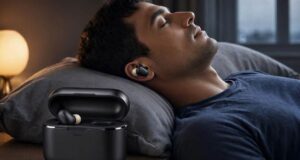
You pop your premium sleep buds out at 7:00 AM, and your ear canal feels instantly cold, slick, and damp. You wipe a strange, watery film off the silicone tip before dropping it into the charging case.
You aren’t sweating excessively, and you didn’t leave your windows open in a rainstorm. You are experiencing the “Sweatbox Effect”—a massive engineering design flaw hitting the premium sleep tech industry.
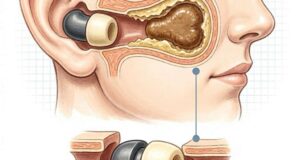
When people look for the best sleep earbud, they screen for flat profiles, active snore-masking, and stable ear-fins. But the ultimate barrier to keeping these devices in your ears all night isn’t comfort; it’s fluid dynamics. Sealing a living, sweating, heat-radiating human organ with an airtight plastic wedge for 8 hours turns your ear canal into a literal terrarium.
Here is the direct, point-to-point autopsy of how trapped moisture is ruining hardware, causing phantom touches, and altering ear health—along with the massive challenges engineers are facing to fix it.
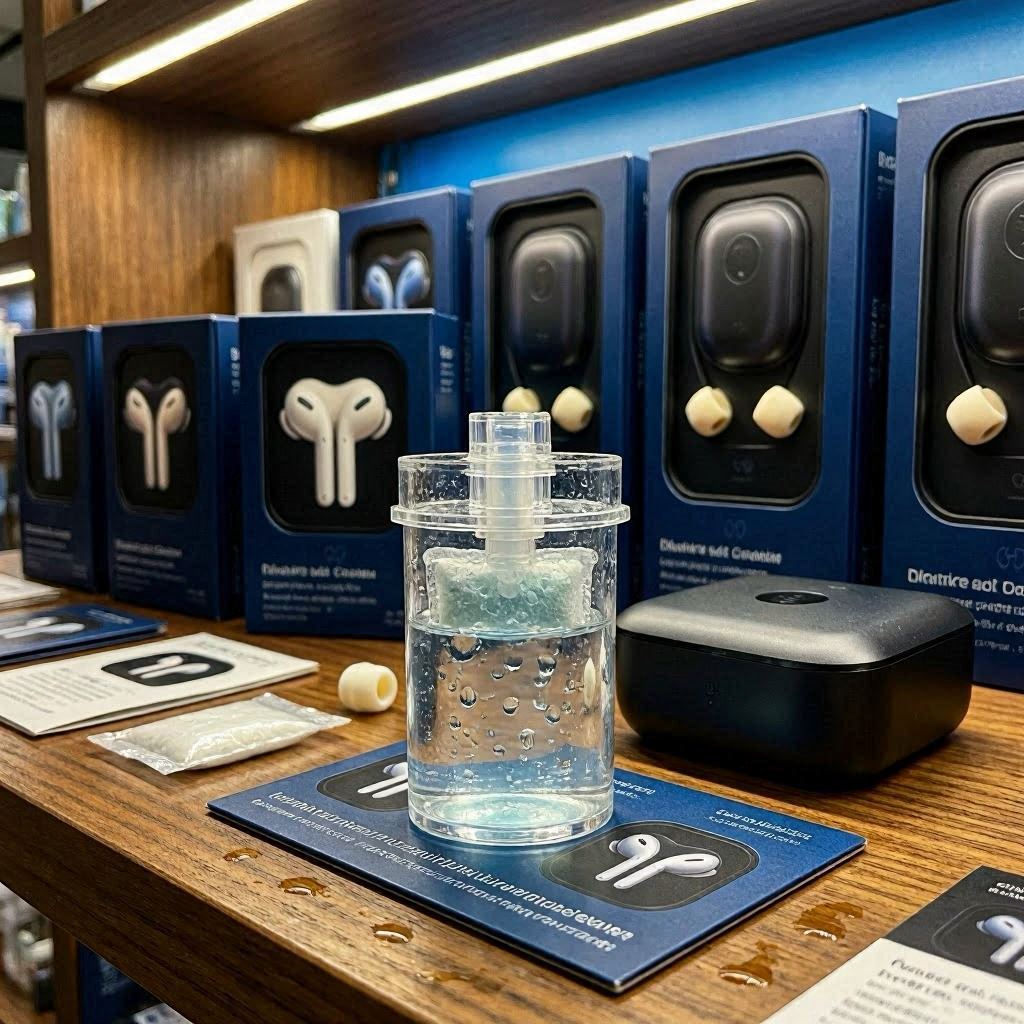
1. The Dynamic of the “Sweatbox Effect”
Your ears are not dry, inert plastic tubes. They are lined with sweat glands (sudoriferous glands) and blood vessels that constantly release microscopic amounts of water vapor to regulate tissue temperature.
- The Natural Exhaust System: Under normal conditions, ambient air moves freely past your ear bowl. This constant airflow causes micro-evaporation, keeping your inner ear dry, cool, and pH-balanced.
- The Absolute Seal: To block out a partner’s snoring or street traffic, the best sleep earbud must establish a perfect, airtight seal using high-density memory foam or multi-flanged silicone tips.
- The Condensation Loop: Once that seal is set, the skin inside your ear keeps pumping out warm water vapor. With zero ventilation, the relative humidity inside your canal hits 90% to 95% within just 45 minutes. The vapor has nowhere to go, so it condenses back into liquid water, pooling right between the earbud driver and your tympanic membrane.
2. The Fluid Ingress Attack on Micro-Hardware
Standard gym or running earbuds are built with mesh screens to ward off sudden, splashing sweat drops from the outside. Sleep earbuds face a far more insidious threat: internal vapor pressure.
Continuous 8-Hour Vapor Pressure (95% Humidity)
       │
       ├──► Moisture bypasses outer hydrophobic nano-coatings
       │
       └──► Fluid condenses *behind* the silicone tip barrier
               │
               └──► Liquid pools inside the acoustic nozzle/speaker driver
                       │
                       └──► Corrodes micro-wiring & shorts out balanced armature cells
- Vapor Penetration: Liquid water has surface tension, which makes it easy to block with simple mesh. Water vapor, however, is microscopic. Over an 8-hour sleep cycle, the high vapor pressure inside your damp ear canal forces moisture past standard sweat-proof glue lines and silicone gaskets.
- Acoustic Muffling: Have you ever noticed your sleep buds sound incredibly quiet, crackly, or distant around 4:00 AM? That isn’t a software glitch. A physical droplet of condensed ear-sweat has formed over the tiny acoustic nozzle, creating a liquid wall that blocks the speaker driver’s sound waves from reaching your eardrum.
3. The 3 AM Phantom Touch Phenomenon
Most top-tier sleep earbuds utilize capacitive touch sensors on the outer housing so you can play/pause or adjust masking volumes without fumbling for your phone in the dark. Trapped moisture turns this convenience into a nightmare.
- Pillow Condensation Relays: As you sleep, moisture doesn’t just trap inside the canal; sweat transfers to the silicone fins and migrates to the outer face of the earbud. When this moisture film bridges the gap between the earbud chassis and your warm pillowcase, it tricks the capacitive sensor.
- The Random Command Glitch: The earbud reads the wet friction against the pillow as an intentional human finger press. This triggers sudden, random volume spikes, tracks skipping, or accidental app disconnections in the middle of the night, jolting you awake.
4. The Biological Backlash: Epithelial Maceration
Trapped moisture doesn’t just threaten the electronics; it actively damages the delicate tissue inside your head.
- Skin Waterlogging (Maceration): Think about what happens to your fingers when you sit in a bathtub for too long—the skin turns white, wrinkly, and soft. The exact same process happens to the ultra-thin skin inside your ear canal when exposed to trapped sweat for 8 hours.
- Loss of Acid Mantle: Healthy ear canals are naturally acidic, which keeps fungus and bacteria from growing. Continuous pooling of neutral, watery sweat dilutes this natural acidic shield.
- Once the skin becomes soft, waterlogged, and non-acidic, it loses its structural integrity. The simple friction of removing the earbud in the morning pulls away micro-layers of skin, paving the way for chronic ear eczema and severe external infections.
5. Overnight Humidity Deflection Checklist
If you cannot sleep without your audio background but want to stop waking up with wet ear canals, adjust your operational parameters using this structural guide:
| Parameter | High-Moisture Risk Setup | Fluid-Optimized Setup |
| Pre-Insertion State | Inserting buds immediately after a night shower | Waiting 30 minutes or using a cool blow-dryer |
| Playback Settings | 8-Hour Continuous Loop Playback | 60-to-90 Minute Sleep Timer Auto-Off |
| Material Choice | Solid, Triple-Flange Dense Silicone | Breathable Open-Cell Polyurethane Foam |
| Case Maintenance | Closing case lid immediately with wet buds | Leaving the case lid cracked open to dry out |
6. Sourcing the Best Sleep Earbud for Vapor Control
The sleep tech market is currently going through a major hardware redesign to solve this liquid trap. If you are looking for a device that won’t leave you with waterlogged ears, prioritize these specific engineering features:
- Passive Air-Bypass Micro-Vents: Look for specialized designs featuring physical, microscopic pressure-relief tunnels. These vents are mathematically tuned to let expanding hot air and moisture vapor escape into the room while keeping low-frequency noise-masking waves bouncing safely inside your ear.
- Open-Cell Foam Integration: Ditch solid silicone tips. Open-cell foam tips act like micro-sponges, absorbing internal ear condensation throughout the night and keeping the fluid away from both your skin and the delicate speaker mesh.
- True Physical Toggle Switches: To eliminate the 3 AM phantom touch issue caused by wet pillows, select sleep buds that allow you to completely disable touch controls via the app once your sleep mode is activated.
The search for the best sleep earbud cannot ignore the basic physics of human perspiration. Plugging an organic, heat-generating canal with a non-porous piece of plastic for a third of the day will always create a high-humidity greenhouse effect. To enjoy problem-free, dry nights, you must manage your usage cycles. Use strict sleep timers that give your ears six hours of open-air ventilation after you drift off, avoid inserting hardware into damp ears post-shower, and prioritize breathable foam tips over airtight silicone seals.