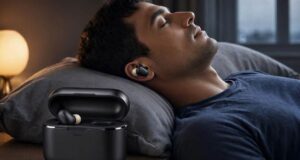
We’ve all been there: you slip in your earbuds, queue up a soothing rain podcast, and drift off to sleep. But by 6:00 AM, you wake up with a sharp, throbbing ache in your ear cartilage.
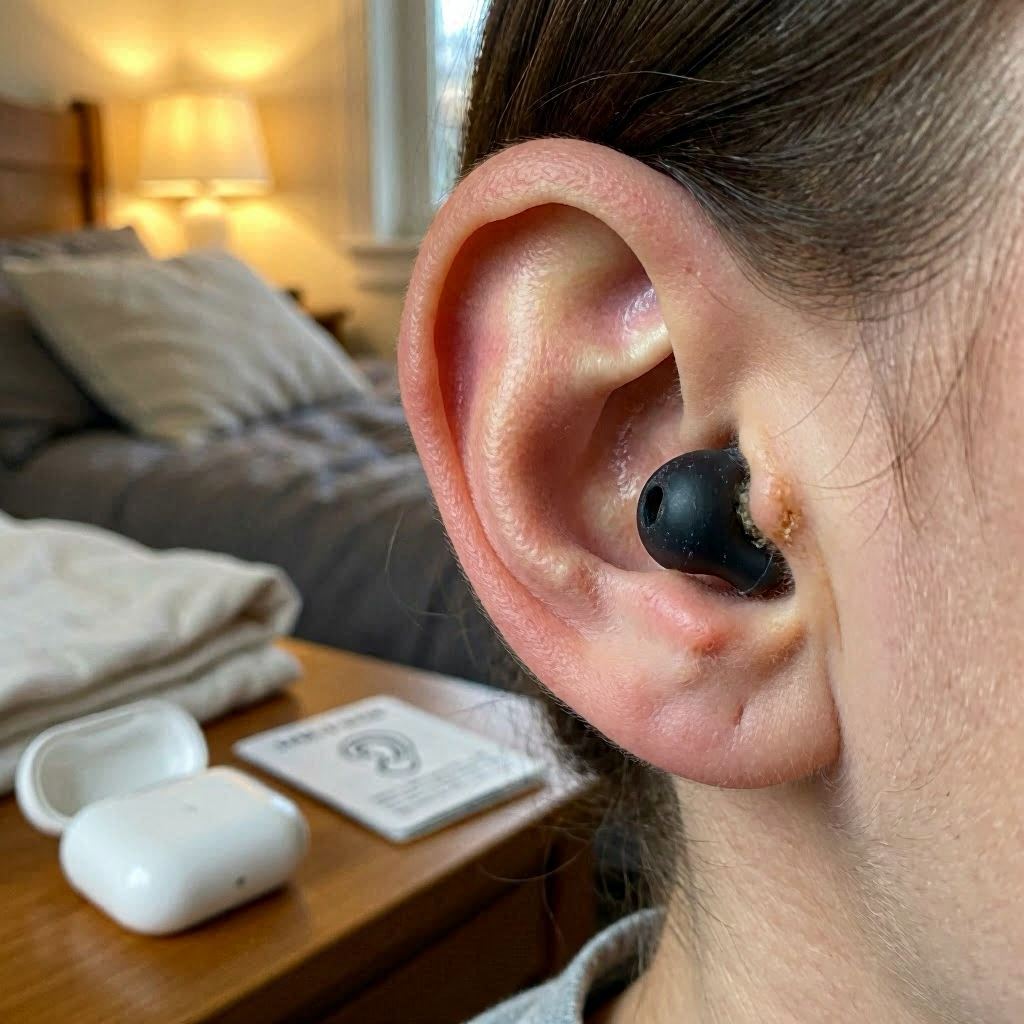
Even if you spent a fortune buying what marketing campaigns call the best sleep earbud, you are likely facing a quiet design flaw that tech reviewers rarely discuss. The truth is, traditional earbud engineering fights against human anatomy during sleep.
Let’s bypass the typical, repetitive AI-generated fluff and look at the actual, raw issues side-sleepers face today, along with practical, point-to-point solutions.
1. The 2026 Hidden Issues: Why Sleep Tech Hurts
The old problem was simply that earbuds were too bulky. Today, even micro-sized buds cause significant pain due to hidden biomechanical and environmental factors:
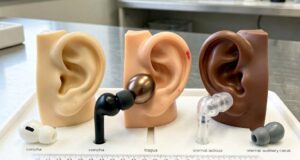
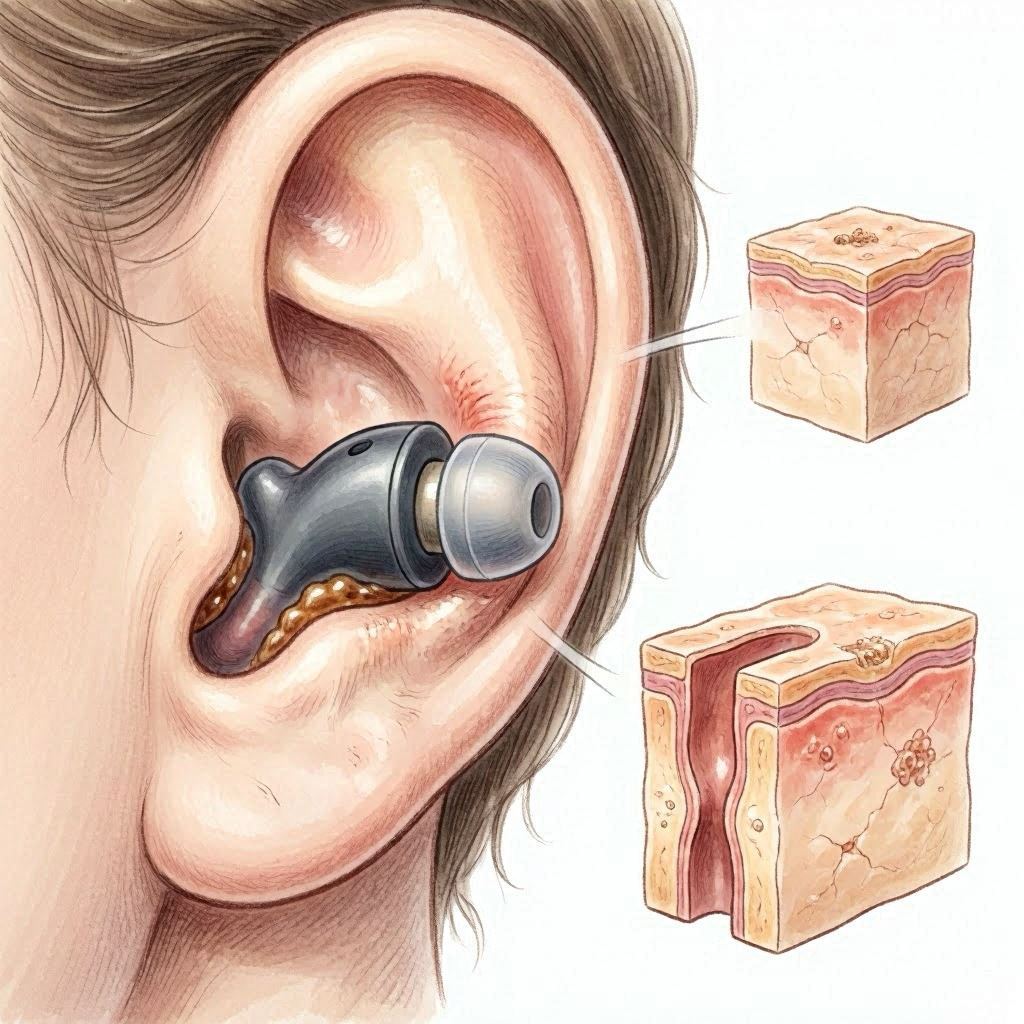
- The Cartilage Crush (Concha Compression): When you sleep on your side, your pillow forces the earbud deep into the concha—the hollow bowl of your outer ear. This cuts off localized blood circulation to the delicate cartilage, leading to that distinct, bruised sensation when you wake up.
- Micro-Sweating & The Greenhouse Effect: True sleep buds require a tight seal to block out snoring or traffic. However, trapping moisture inside an enclosed ear canal for eight hours creates a humid breeding ground for bacteria, softening the skin and making it highly prone to painful fungal infections.
- Acoustic Pressure from ANC: Modern Active Noise Cancellation (ANC) functions by emitting counter-frequencies. While your brain perceives this as silence, your eardrum experiences continuous physical acoustic pressure all night, resulting in a dull earache or a clogged feeling by morning.
- Friction Micro-Tears: As you toss and turn, the constant micro-movements of rigid silicone tips create microscopic scratches inside the ear canal, causing burning sensations and localized inflammation.
2. High-Stakes Challenges: The Long-Term Consequences
Ignoring ear pain and pushing through the discomfort can lead to serious, long-term ear health issues:
| The Challenge | Why It Happens | The Long-Term Consequence |
| Ear Canal Chondritis | Constant mechanical pressure on the ear cartilage. | Severe inflammation requiring medical treatment or steroids. |
| Impacted Cerumen | The earbud acts as a plunger, packing earwax deep down. | Conductive hearing loss, dizziness, or chronic tinnitus. |
| Epidermal Stripping | Moisture and friction stripping away the ear’s protective skin layer. | Otitis externa (Swimmer’s Ear), which is highly painful. |
| Sleep Dependency | Complete reliance on audio stimulation to fall asleep. | Increased sleep anxiety when sleeping without tech. |
3. The Structural Checklist: Finding the Best Sleep Earbud
If you are currently looking for a replacement, do not just look at battery life. The best sleep earbud must check very specific structural boxes to prevent pain:
[The Ideal Sleep Earbud Architecture]
 ├── Profile: < 4mm thickness (Must sit completely flush inside the ear bowl)
 ├── Material: Medical-grade Liquid Silicone Rubber (LSR) or Ultra-Soft Memory Foam
 ├── Ventilation: Built-in micro-vents to equalize acoustic and atmospheric pressure
 └── Software: Automatic fade-out timer (Stops audio & ANC after you fall asleep)
4. Point-to-Point Solutions to Stop the Pain Immediately
You don’t necessarily have to abandon your night-time audio routine. Instead, fix the pain using these direct, tactical adjustments:
A. The Hardware Swaps
- Ditch Silicone for Memory Foam: Standard silicone tips are rigid and unyielding. Swap them out for high-density memory foam tips. Foam compresses under pillow pressure and molds precisely to your unique ear shape, cutting contact-point pain by half.
- Transition to Sleep Headbands: If your ear canals are naturally narrow, no in-ear option will ever be completely comfortable. Switch to a flat, padded Bluetooth fabric headband where the speakers sit entirely outside the ear.
B. Usage & Hygiene Shifts
- Enforce a Hard Sleep Timer: Never let your earbuds run for a full 8-hour cycle. Set a sleep timer on your phone (Spotify, Audible, or Apple Podcasts) to shut off after 45 minutes. This gives your ears hours of rest from acoustic pressure while you sleep.
- The Dry-Out Routine: Never put your earbuds in immediately after taking a shower. Residual moisture trapped behind an earbud tip accelerates skin breakdown and pain.
C. Pillow Engineering
- The Side-Sleeper Donut Hole: If you refuse to give up your earbuds, use a piercing pillow or a donut-shaped travel pillow. Positioning your ear directly over the hole eliminates all pillow-to-earbud pressure, instantly curing outer-ear soreness.
5. The Future of Restful Audio
The audio industry is moving toward fully custom-molded 3D-printed sleep sleeves and flexible, ultra-thin graphene drivers. Until those become mainstream, protecting your ears requires a smart combination of the right tips, strict hygiene, and strict time limits.
The Bottom Line: The best sleep earbud is one that your body doesn’t fight against. If you experience internal throbbing or fluid drainage that lasts for more than 48 hours, remove the earbuds immediately and give your ears a full week to recover.